
Research Update – Adolescent consumption of added sugars and heart health

A study just published by Circulation – the journal of the American Heart Association – concluded that consumption of  added sugars is positively associated with cardiovascular disease risk factors in adolescents. The survey of 2,157 youth aged 12 to 18 found that increased consumption of caloric sweeteners was significantly related to higher LDL cholesterol and total triglycerides – both known risk factors for heart disease. Additionally, the study found that added sugars made up a whopping 21.4% of daily caloric intake for the participants.

These data make a strong case for limiting the amount of added sugars in our diets. Let’s keep the future generation (and ourselves) healthy by reconsidering the sugar-laden food choices so common today.

Source: Circulation. (2011). Consumption of added sugars and cardiovascular disease risk among US adolescents. In print, doi: 10.1161/CIRCULATIONAHA.110.972166.
The Healthy Schools Campaign – “Through Your Lens”

The Healthy Schools Campaign has a great student photo & essay contest underway. The “Through Your Lens” national contest is “designed to showcase the mostly unseen reality of our nation’s school building conditions.” Students – get involved! Visit the Healthy Schools website for more information.

Recommended Calcium Intake Levels

(Wiki Images)

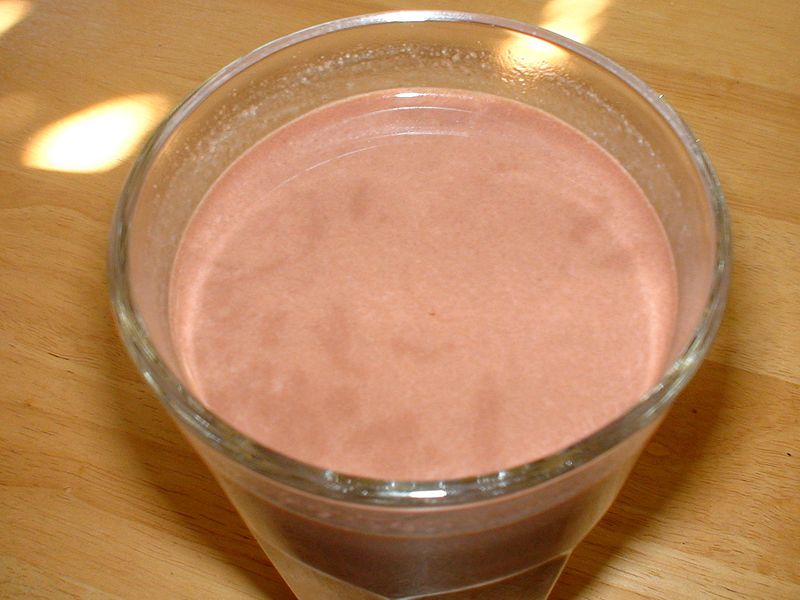
Ed Bruske over at The Slow Cook wrote an interesting article summarizing the potential effects that a recent IOM Report on Calcium and Vitamin D intake might have on dairy beverages served in schools. Basically, the majority of our population seems to already be consuming adequate amounts of Calcium. This finding negates campaigns that endorse supplying Calcium to kids by any means possible – often in the form of chocolate milk.  Will schools relent on their staunch refusal to give up flavored milk ? We’ll have to wait and see…

In the meantime, you can ensure youth eat adequate amounts of calcium by feeding them plenty of dark leafy greens, milk, yogurt, broccoli or fortified cereals (the kind that DOESN’T turn your milk an eerie shade of pink or brown). Source: NIH – Calcium Quickfacts